The Turn Arrives, You Decide
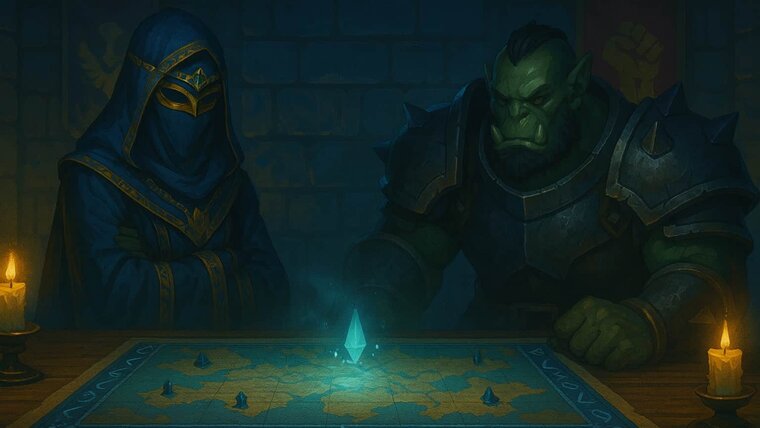
No timing windows and no dodge rolls. A Turn Meter decides who acts next; you decide which ability that champion uses and where it lands.
How a Speed-driven turn order differs from an action RPG, and why the line-up matters more than any single champion.
Play the First Fight Free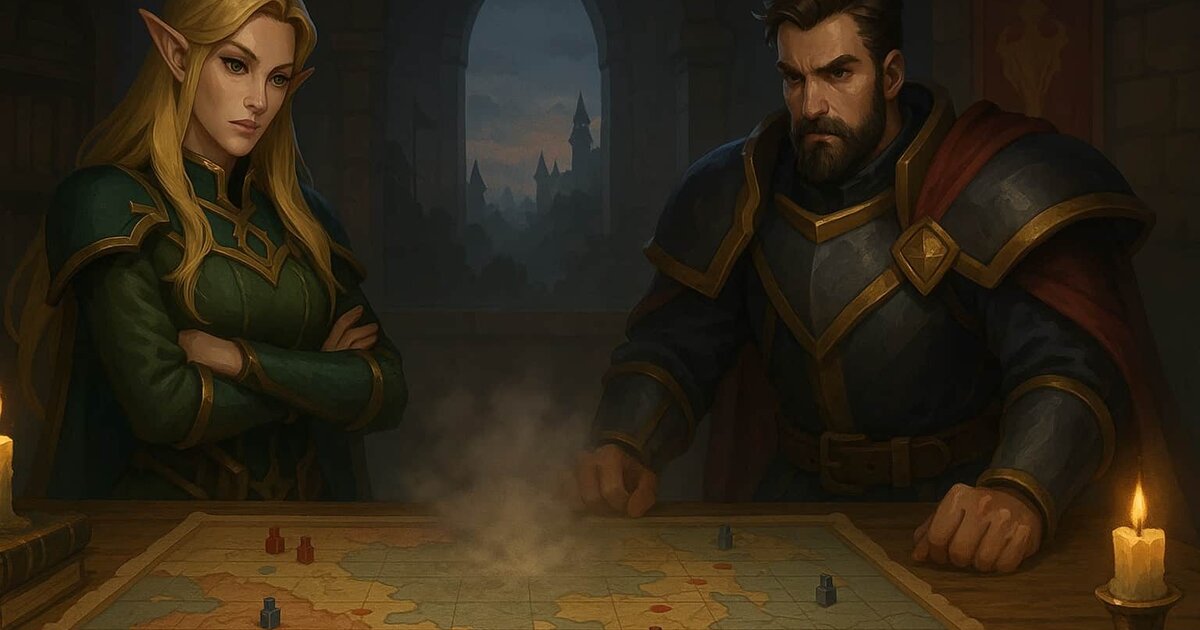
Combat resolves in sequence, and the sequence is not yours to set. Every champion carries a Turn Meter that fills at a rate set by its Speed stat. When a meter fills, that champion's turn arrives, and your decision is which of its abilities to use and which target it lands on. Nothing happens while you think about it.
So Speed is not a minor stat here. A faster champion's meter fills sooner, so it acts more often across a long fight than a slower one does. Skills, auras and masteries can push a Turn Meter up or drag it down, which makes turn order itself something both sides compete over.
That reshapes the whole genre. Difficulty stops being about how fast your hands are and becomes a question of order. When a turn arrives, do you strip the enemy's protection, or land damage while that protection is still up? Do you spend a heal now, or bank it for a turn you can already see coming? A fight you lost was usually a fight you sequenced wrong, and you can often name the exact turn where it went wrong.
It also means the game waits for you. You can stop mid-fight, read an ability description you have never read properly, and pick up where you left off. Very few genres allow that.
An action RPG measures execution. You dodge, you position, you fire an ability in the half-second window where it does the most good, and the fight punishes hesitation. The pleasure is physical: your hands get better.
A turn-based fight measures reading. You are looking at a board, counting whose turn comes next, and spending limited resources in the right order. The pleasure is analytical: your judgement gets better.
Neither is the higher form; they suit different people, and the same person at different hours. If you want something that takes your full attention, turn-based fights will feel slow. If your hands are tired and your head still works, they will feel like the only thing worth opening.
Champions are collected, and the collection is organised into factions. That grouping is the game dividing a growing roster into parts you can think about separately, rather than as one list that only ever gets longer.
The interesting decision is never which champion is strongest. It is which four or five cover each other. Someone has to remove the enemy's buffs. Someone has to keep the team standing through a bad turn. Someone has to convert a good setup into actual damage. A squad of three excellent attackers loses to one attacker and three enablers far more often than new players expect.
That is the layer that keeps a turn-based collection RPG interesting past the first week. Not the numbers going up, but a badly matched roster suddenly clicking when you swap one slot.
A short checklist separates a turn-based RPG with depth from one wearing the label. Can you see the turn order, or are you guessing? Do abilities interact with each other, or does everything simply subtract health? Is there any reason to keep a champion you have outgrown? Does a session end cleanly after twenty minutes, or does it hold you hostage?
Ask the awkward question too. In any collection RPG, roster strength matters, and money buys it faster than time does. That is true here and of every game in this shape. Good sequencing still wins fights your roster has no business winning, and that is where the interest lives.
Run that checklist on the game rather than on an article about the game. Ten fights played by hand will tell you more about whether you enjoy ordering a team around than any description of the genre, this one included.
No timing windows and no dodge rolls. A Turn Meter decides who acts next; you decide which ability that champion uses and where it lands.
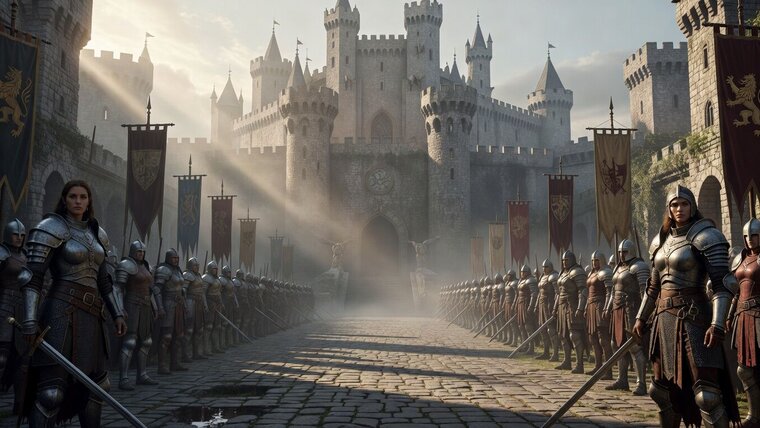
A balanced four or five covering control, survival and damage will outperform a squad of raw attackers most of the time.
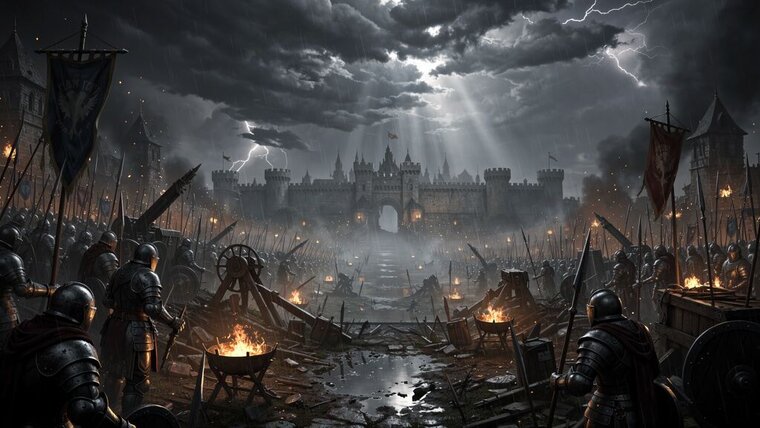
Turn-based fights hold still. That suits short sessions, tired hands, and reading an ability properly before you commit to it.