Grim Rather Than Whimsical
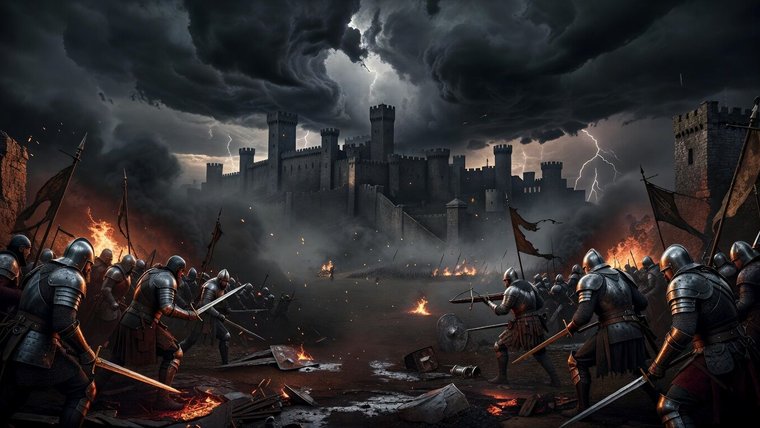
Ruined halls, heavy armour and firelight. The dark end of fantasy, rendered in detail, with the monstrous factions given as much care as the heroic ones.
Grim art, faction-built rosters and a game made of fights rather than landscapes. Come for the dark fantasy, not for a world to wander.
Download Free on PC or Mac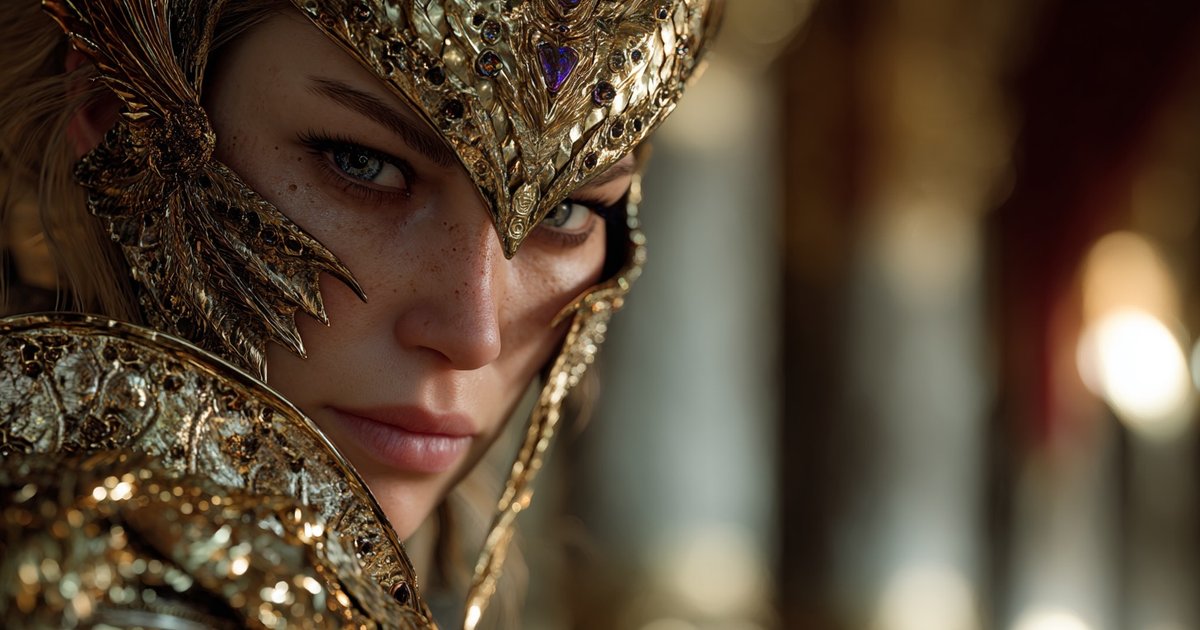
Fantasy is a wide word, and two games can both wear it while asking completely different things of you. This one sits at the dark end. The art is ornate and heavy — carved armour, ruined halls, undead and demonic factions given as much loving detail as the knights — and the palette runs to smoke and firelight rather than sunlit meadows.
If the fantasy you like is warm, that tone will read as relentless. If the fantasy you like is grim, it is the main reason to look at this rather than something brighter.
It is worth judging this before anything mechanical, because tone is the thing you cannot change with a settings menu. Look at the champion art and the faction names for five minutes. You will know within that five minutes whether the world appeals, and that answer is more useful than any feature list.
The roster is divided into factions, and that division is doing real work. A collection game accumulates characters indefinitely, and without some structure the list simply grows until it stops being thinkable. Factions cut it into pieces small enough to hold in your head.
They also give the setting its shape. Each faction carries its own visual language and its own flavour of unpleasantness, which is how a game with a very large cast avoids everyone blurring into one silhouette.
And the game builds content around that grouping, including modes that ask you to field a team drawn from one faction rather than your four best champions overall. That is the point at which collecting broadly stops being hoarding and starts being preparation.
If you typed fantasy RPG for PC while picturing Skyrim, The Witcher or Baldur's Gate, stop here and recalibrate. Those are single-player games with a landscape you walk through, a story you follow and an ending you reach. This shares a genre label with them and almost nothing else.
There is no overworld to explore, no wandering off the path, no conversation tree that changes the ending. The game is made of discrete fights arranged into campaign stages and dungeons, and the thing that grows is your roster rather than a narrative.
That structure is a genuine strength when you want a fifteen-minute session with a clear end, and a genuine weakness when you want to get lost in a place for a weekend. Neither is a fault — they are different products, and the confusion comes from both using the same two words.
A short set of questions settles it faster than a review. Do you enjoy reading a character's abilities and working out how they interact, the way you would read a card in a deck-building game? Does grim, ornate art appeal to you or tire you out?
Are you comfortable with a game that has no ending and is not trying to have one? And is the appeal for you the fighting itself, or the world around the fighting?
If the answer to that last one is the world, be careful. This has a setting rather than a place — a backdrop with real craft in it, but a backdrop. Players who want somewhere to be rather than something to solve consistently end up happier with a single-player game they can finish.
Ruined halls, heavy armour and firelight. The dark end of fantasy, rendered in detail, with the monstrous factions given as much care as the heroic ones.
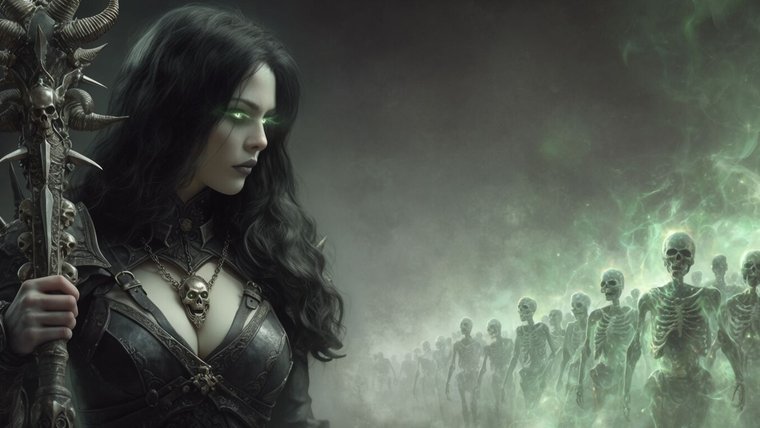
Champions are sorted into factions, which keeps a growing collection thinkable and gives the setting its distinct looks and flavours.
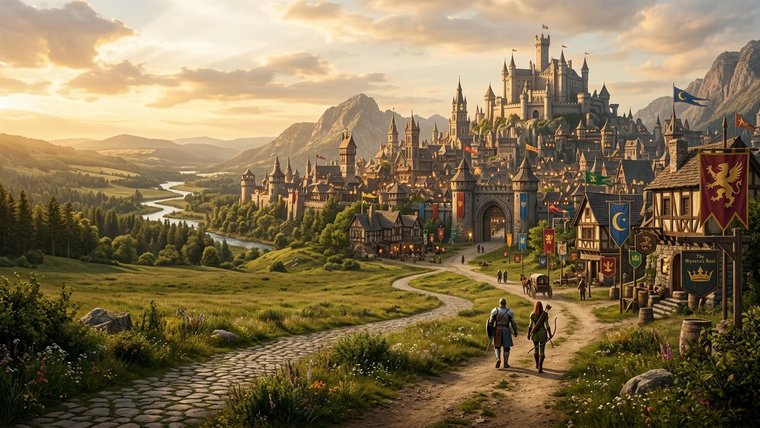
The game is made of fights arranged into stages and dungeons. What grows over time is your roster, not a map you are crossing.