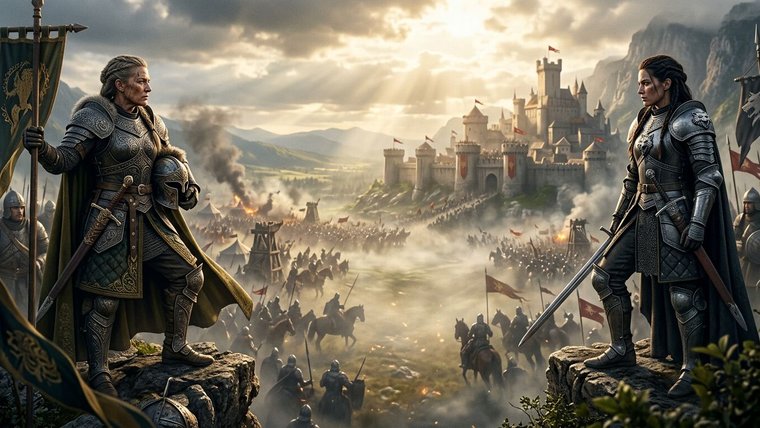
No Locked Chapters
Nothing waits behind a purchase to unlock. The campaign and the modes are open from the start, on the same terms for everyone.
The content is not the part that costs money. Time and chance are — and knowing which is which before you install is the whole trick.
Start Free — No Subscription
The first thing worth knowing is what is not behind a payment. There is no trial that expires, no chapter that stops until you buy the rest, and no subscription standing between you and the content. You install it, you play it, and the campaign and the modes are open to you on the same terms as anyone else.
That makes it a different animal from a demo, and a different animal again from a game with a price tag. Nobody is holding content hostage. What the business model does instead is charge for the two things a collection RPG is actually made of: how fast you get to do things, and how lucky you are when you do them.
This matters because the usual free-to-play worry — that you will hit an invisible wall and have to pay to see the rest — is the wrong worry here. The real question is a slower one, and it is about your patience.
Battles cost energy, and energy refills over time rather than on demand. That single mechanic shapes everything about how the game fits into a week.
Read it honestly and it is a limit on how long you can play in one sitting, not on how much of the game you can see. A free account gets everywhere a paying one does. It arrives later.
The practical consequence is that this game suits short regular sessions far better than long weekend binges. Twenty minutes most days will feel generous. Four hours on a Sunday will run the meter dry and leave you staring at a refill timer, which is the moment the shop starts to look reasonable and the moment to put the game down instead.
Champions come from chance-based summons. You spend a currency, you get a result, and the result is not something you chose. Money buys more attempts. It does not buy the outcome, and a page that implies otherwise is selling you something.
Before spending anything, find the published odds — games of this kind disclose them, and reading them is free. Then do the arithmetic in advance rather than in the middle of a session, because the middle of a session is precisely when the arithmetic stops feeling necessary.
The reasonable way to treat a summon is as entertainment you have already paid for, the same way you would treat a cinema ticket. If you would be upset by the result, the amount was too high.
Set a number before you install, and make zero an acceptable answer. Most people who overspend on a game like this never made a single large purchase. They made forty small ones.
Play a fortnight without spending a penny. That is long enough to learn whether the daily rhythm suits you, and you cannot judge value on day one of anything.
And be honest about the alternative. If the idea of optional purchases bothers you on principle, a finished single-player game with a price on it will give you a defined amount of content for a defined amount of money and then end. That is a perfectly good trade, and for a lot of people it is the better one.
Nothing waits behind a purchase to unlock. The campaign and the modes are open from the start, on the same terms for everyone.
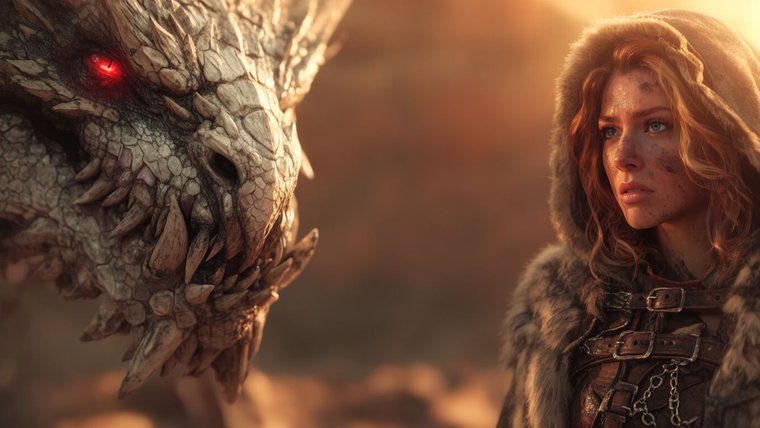
Purchases move you along faster and give you more attempts at a summon. Neither one hands you a guaranteed result.
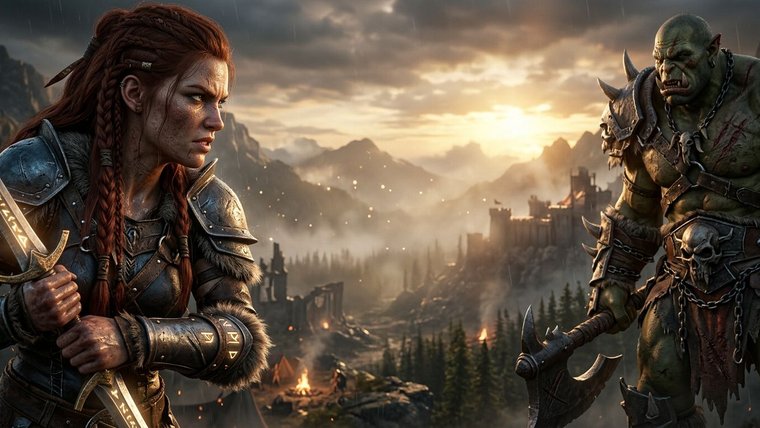
Playing without spending is slower, not blocked. The limit is how much you can do in one sitting, not how much of the game you get to see.